Termites enter structures through soil-to-wood contact, expansion joints, and utility penetrations. Our technicians trace foraging galleries and moisture gradients that allow colonies to establish. Early mapping of these routes determines whether bait placement, soil drenching, or wood treatment will interrupt the workers and reproductives.
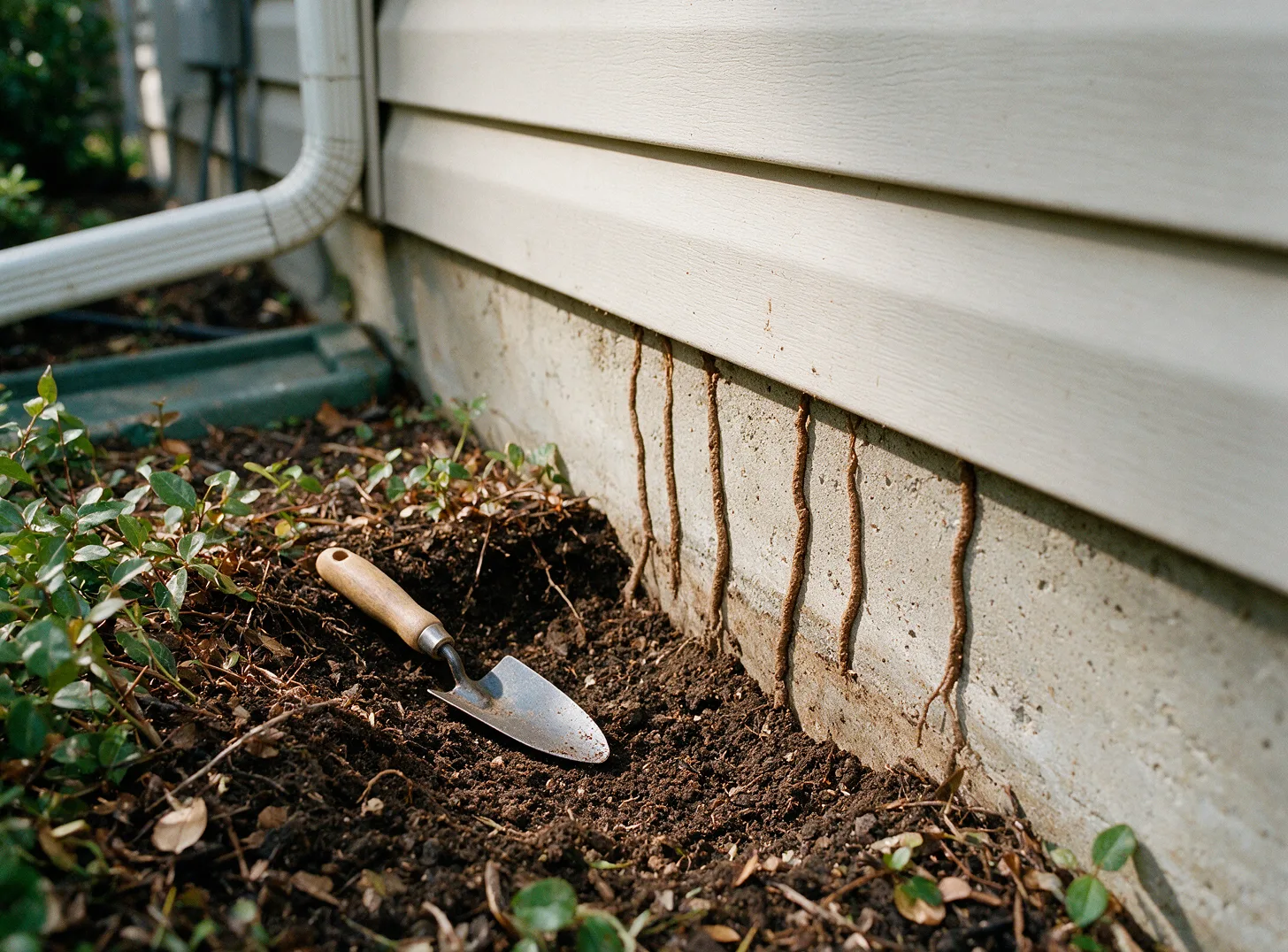
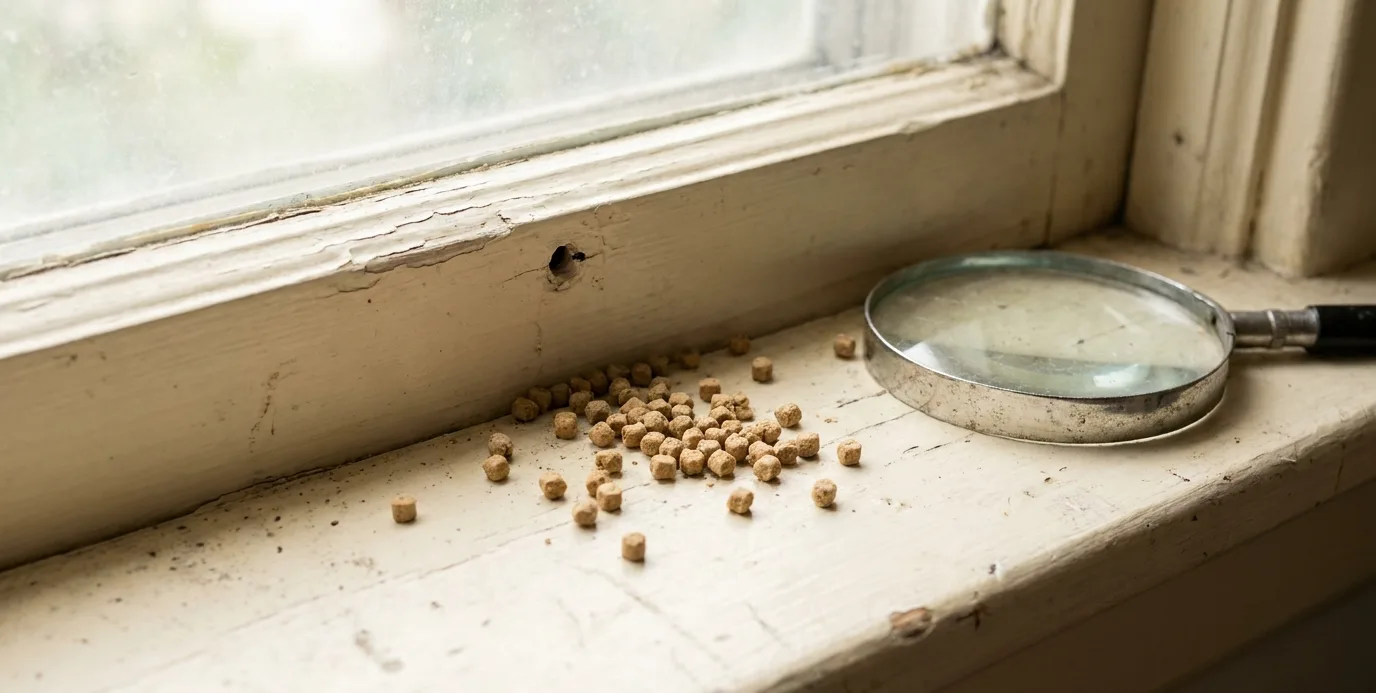
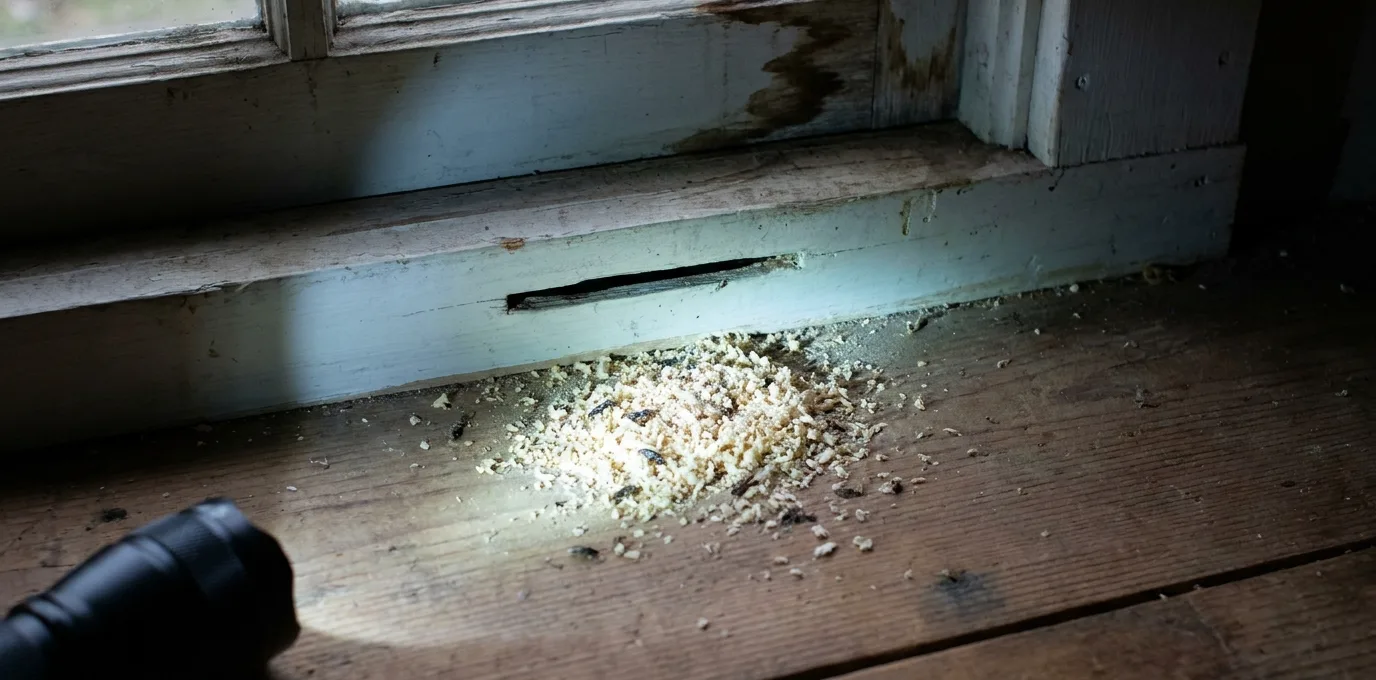
Different species leave distinct evidence. Subterranean forms build shelter tubes while drywood colonies produce frass pellets that collect below exit holes. Carpenter ants excavate clean galleries with sawdust piles outside the nest. Wood-boring beetles create round exit holes and frass in the sapwood. Each sign directs the choice of service. Every service below is available from Legion Termite Control across the USA.
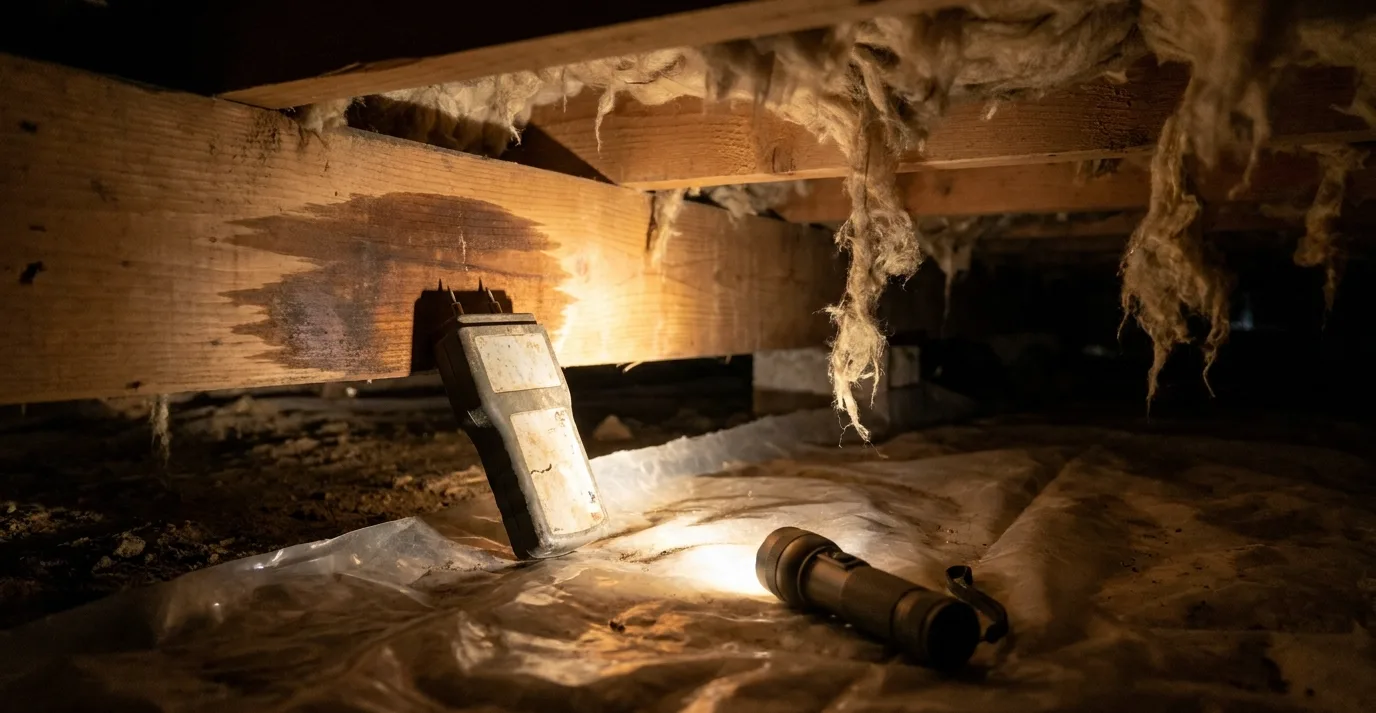
Technicians begin by checking foundation walls, sill plates, and crawl-space piers for mud tubes, moisture stains, and hollow-sounding wood. They probe joists with an awl, inspect plumbing penetrations, and note any frass or wings near light sources. The resulting map shows active galleries and moisture sources that guide the next step.
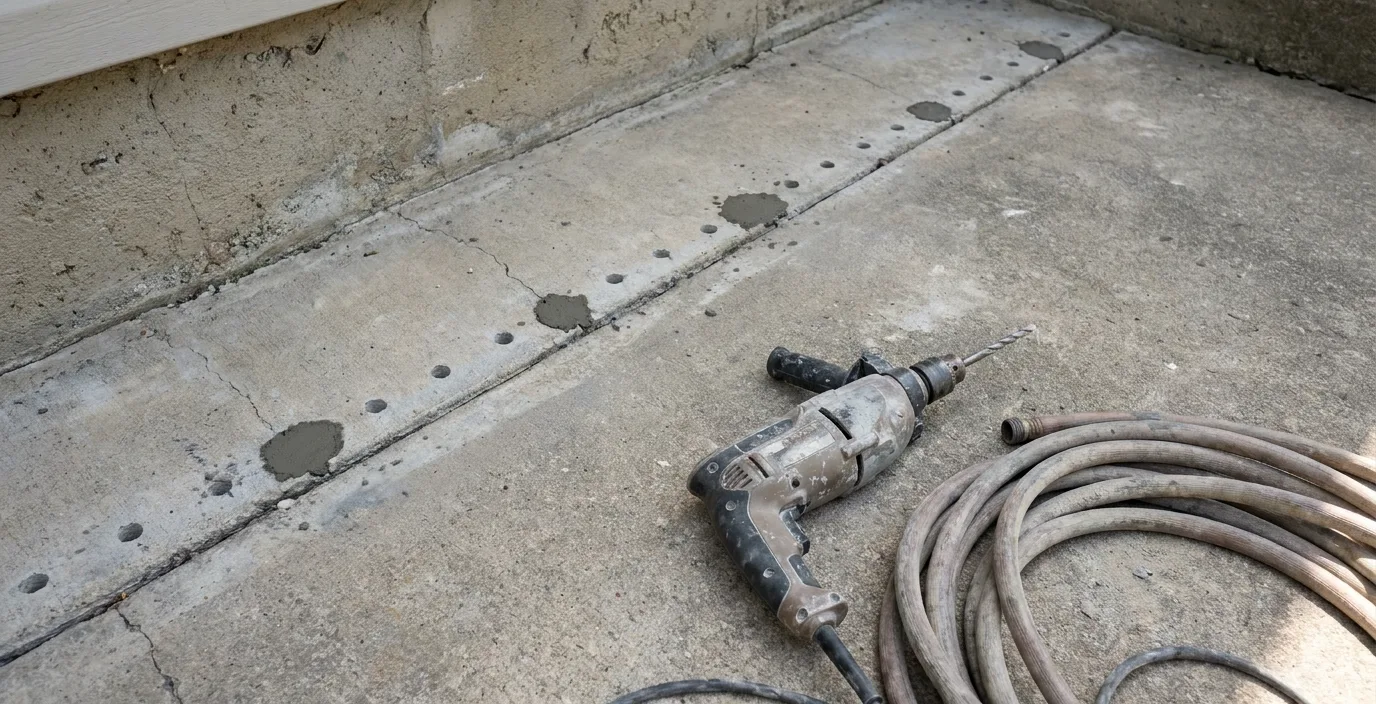
Once tubes are located, technicians trench along the foundation and apply termiticide to create a continuous treated zone in the soil. They also drill through slabs at expansion joints and treat beneath them. This method severs the connection between the colony in the ground and the wood above.
Localized injections of insecticide reach galleries inside structural timbers without removing the members. Technicians locate exit holes by following frass patterns, then drill small ports into the chambers. Spot treatments reach the nymphs and alates while limiting disturbance to surrounding finished surfaces.
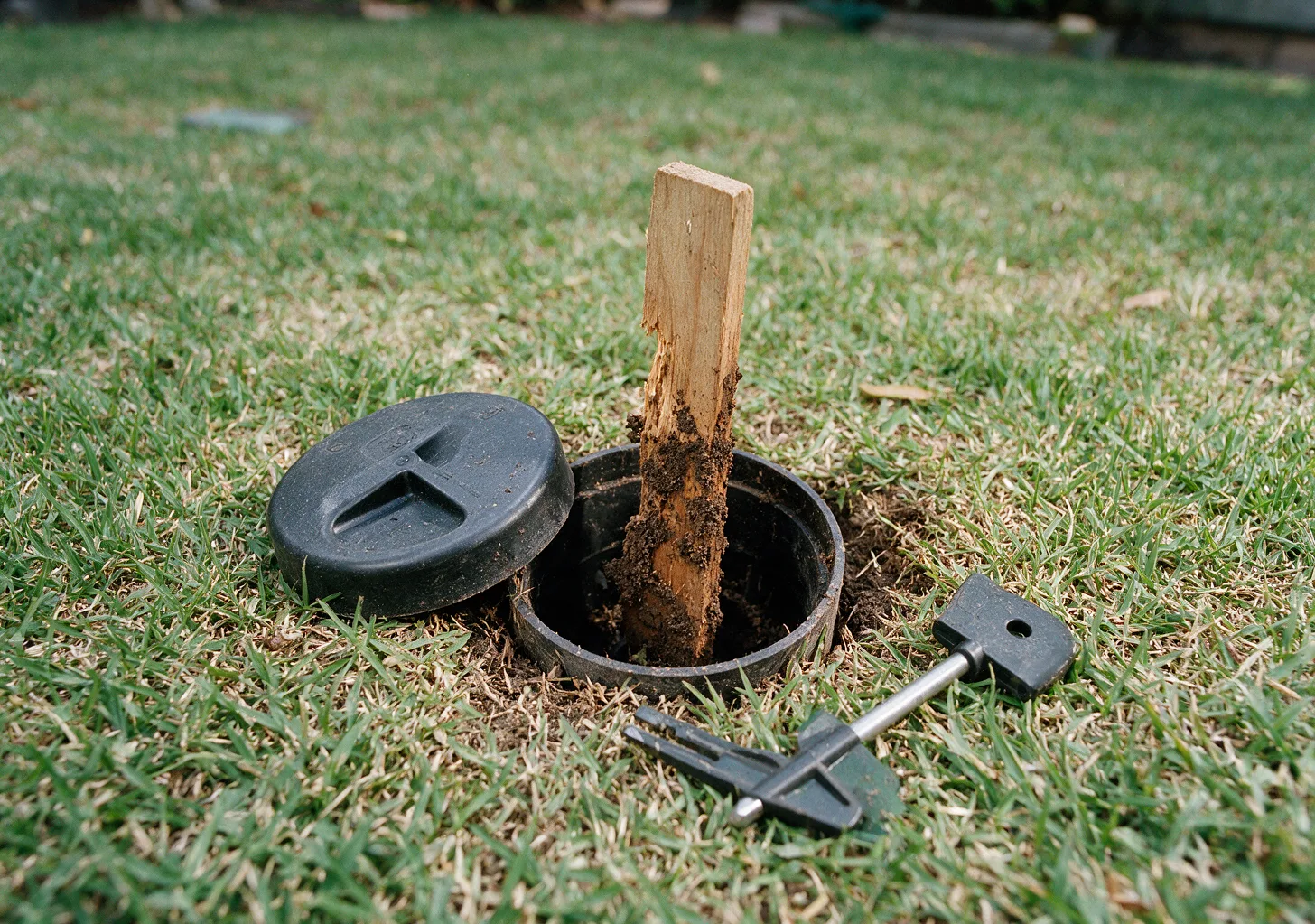
Stations are placed in the soil at intervals around the perimeter and monitored for activity. When workers feed on the bait matrix containing slow-acting toxicant, they carry it back to the colony. Repeated inspections confirm decline in foraging until the station remains untouched for multiple cycles.
A non-repellent termiticide is applied to soil adjacent to foundation walls and beneath slabs. The product binds to soil particles and remains effective as foraging workers pass through it. Retreatment intervals depend on soil type and rainfall patterns that can move the active ingredient.
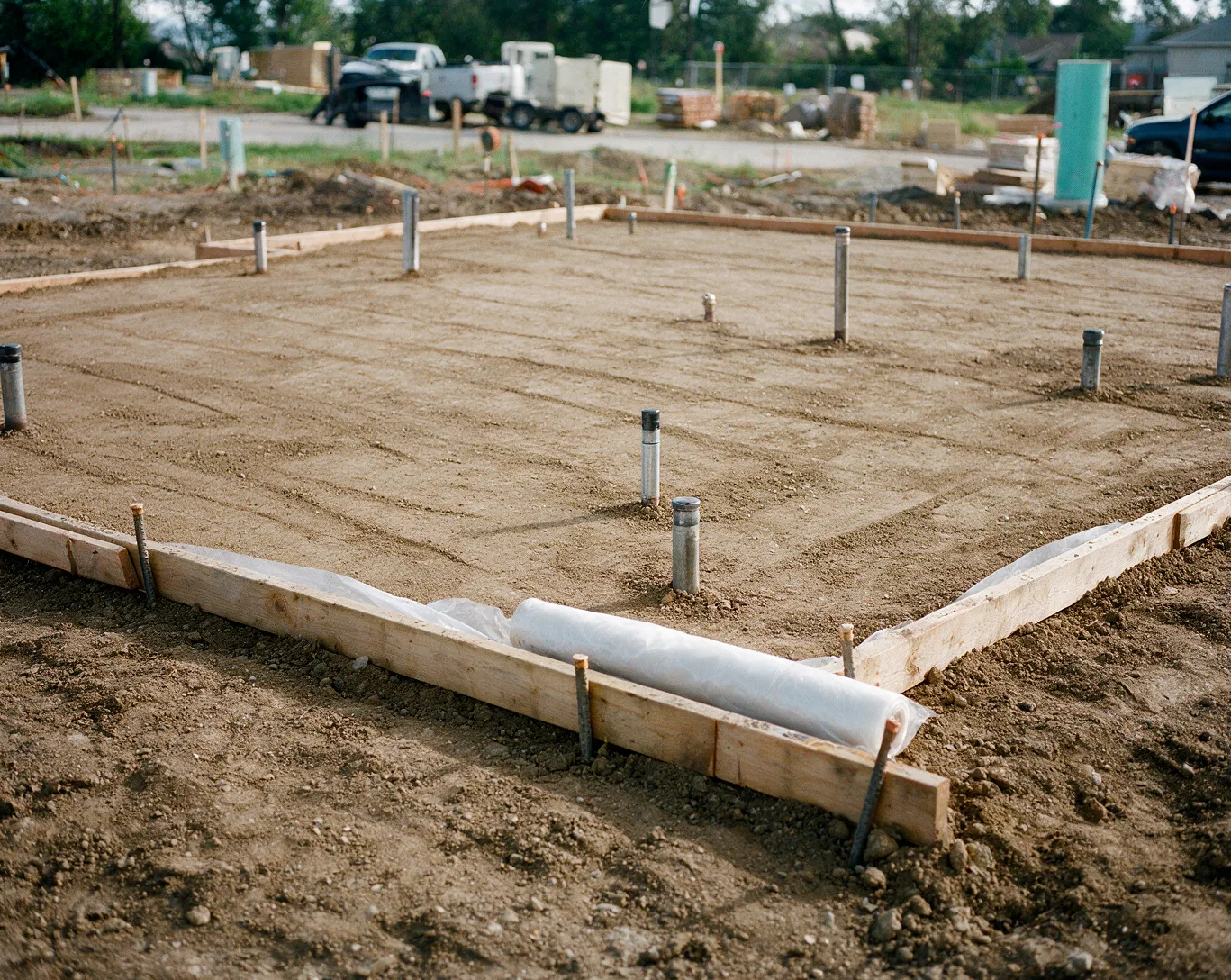
During building phases, technicians treat the soil beneath the future slab and along interior and exterior foundation lines before concrete is poured. Horizontal and vertical barriers are created at plumbing risers and expansion joints so the finished structure starts with a continuous treated zone in place.
Nests are located by following worker trails to moist wood or voids. Technicians inject residual dust or foam directly into the gallery system and treat soil areas where ants forage for moisture and protein. Exterior perimeter applications reduce re-entry points along siding and roof lines.
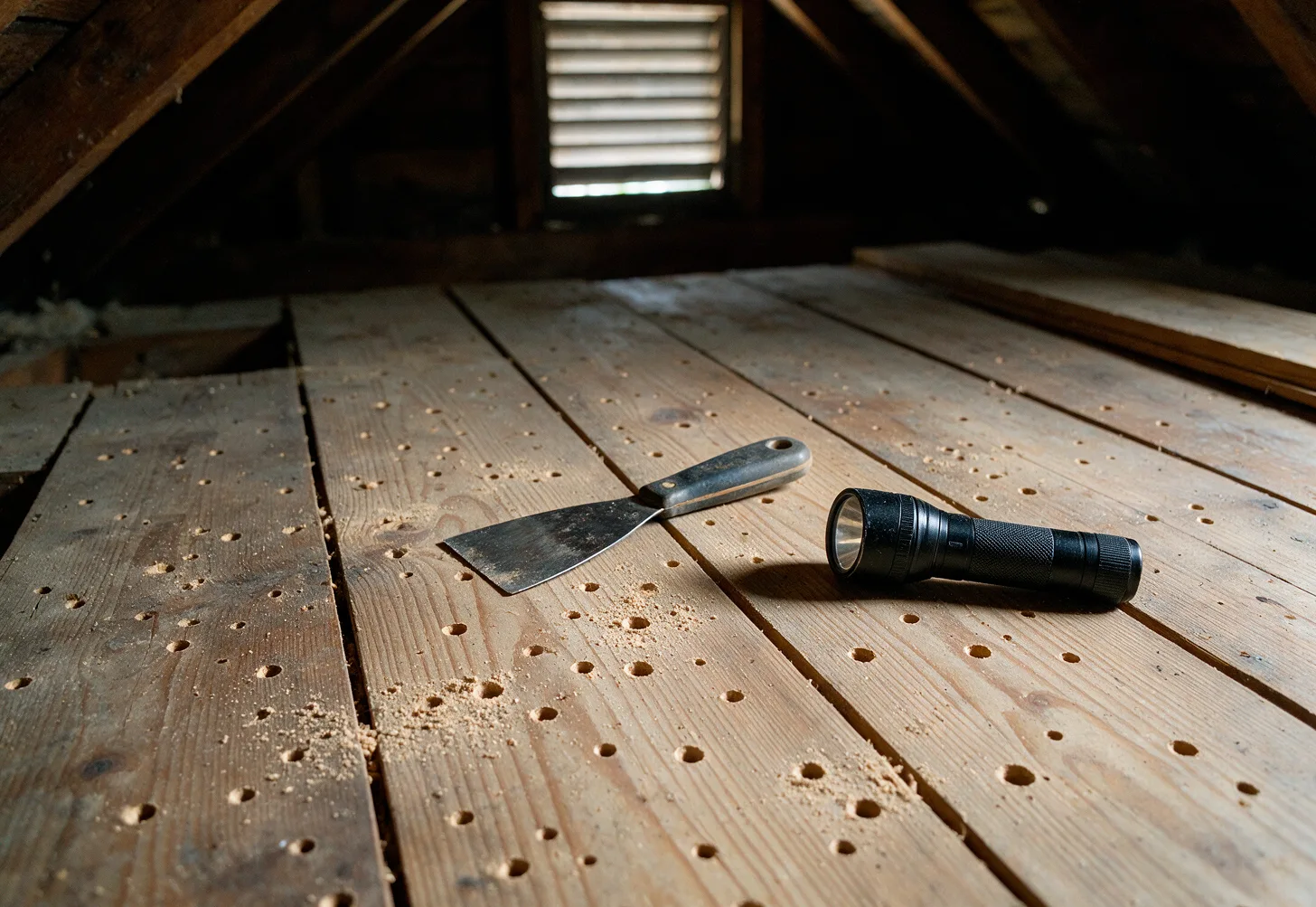
Surface applications of borate solutions or residual insecticides are made to exposed timbers showing exit holes and frass. When infestation is active inside structural members, small holes are drilled to reach the larvae. Monitoring continues over multiple seasons because the life cycle can span several years.
Selecting the correct service
Visible mud tubes along the foundation usually indicate subterranean activity that requires soil treatment or bait stations. Scattered pellets beneath baseboards point toward drywood colonies best addressed with targeted wood injections. An inspection first confirms the species and extent before any product is applied.
Piles of coarse sawdust near baseboards or in attics suggest carpenter ants or beetles. Moisture readings above twenty percent in sill plates often accompany these signs and direct attention to both the insects and the water source. The inspection report lists the specific findings that match one or more of the listed services.