
Termite Inspection in the USA
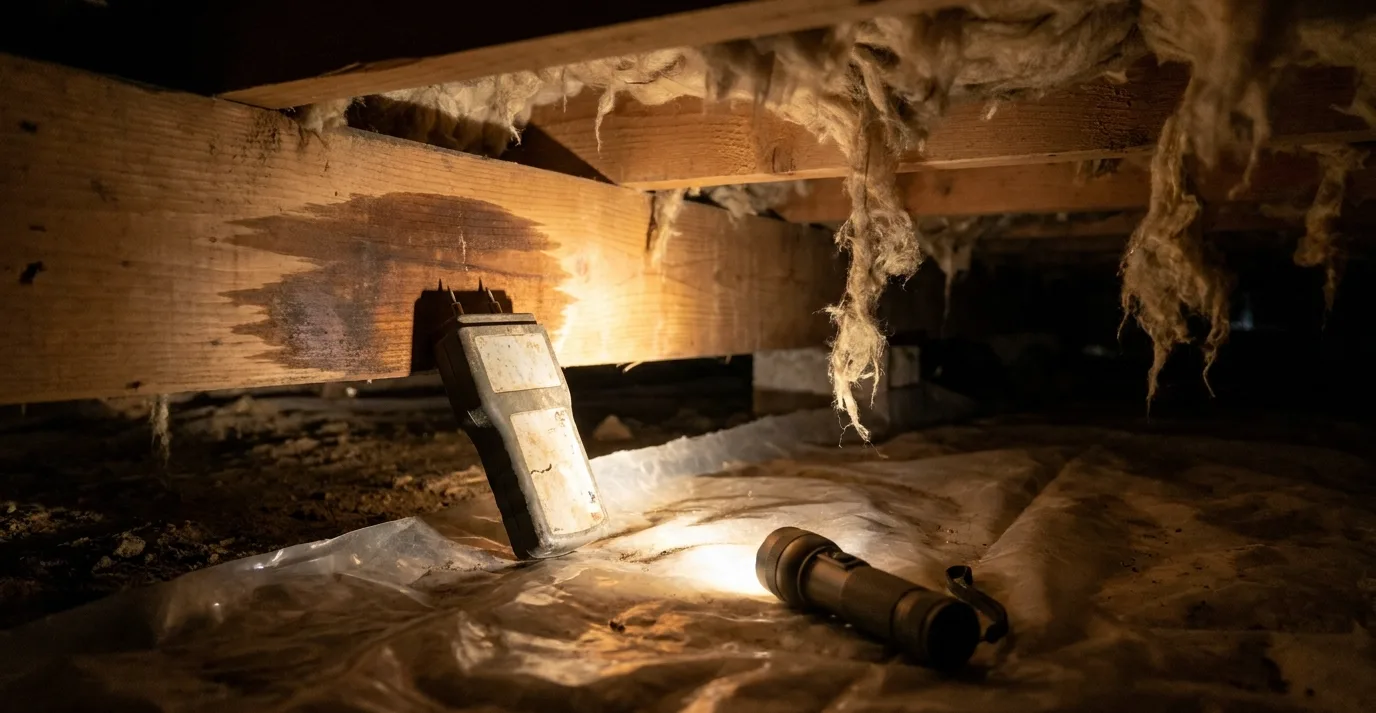
Legion Termite Control sends technicians to inspect every accessible wood member, foundation joint and soil interface during a Termite Inspection. They map moisture gradients with meters, probe for frass and mud tubes, and note any cellulose debris that supports colonies. The process identifies whether subterranean termites or drywood species are active and records the extent of galleries already formed.
Homeowners can first clear leaf litter and scrap lumber from the foundation perimeter and correct any dripping faucets or poor drainage that keeps soil damp against siding. These steps reduce attractants before the technician arrives. Legion Termite Control then focuses on concealed areas such as sill plates and rim joists where termites often remain hidden until damage is advanced. Technicians from Legion Termite Control examine mud tubes during termite inspection to identify species activity across the USA.
Observable Indicators During Termite Inspection
- Hollow sounding wood when tapped reveals extensive gallery networks inside structural members.
- Pencil-thin mud tubes on foundation walls show active subterranean termite travel routes from soil.
- Discarded wings near windows indicate recent swarmers that have shed them after entering structures.
- Small fecal pellets resembling sand accumulate below exit holes in drywood termite infested beams.
- Blistered or peeling paint on baseboards often signals moisture and termite activity beneath the surface.
Primary Causes That Draw Termites to Structures
Subterranean termites require constant soil moisture and direct wood contact to establish colonies. When grading slopes toward a foundation or when gutters overflow, water keeps the soil against siding wet enough for workers to forage upward. Technicians during Termite Inspection measure soil humidity and note any grade changes that allow this moisture bridge.
Cellulose debris buried near footings or stacked against piers supplies an initial food source that colonies expand into the main structure. Drywood termites, by contrast, need no soil contact and enter through small cracks in siding or roof sheathing when humidity stays above sixty percent indoors. Legion Termite Control records these entry conditions to determine species-specific risks.
Leaking plumbing in bathrooms or kitchens raises local moisture content in floor joists and subflooring. Over time this creates favorable conditions even in otherwise dry homes, allowing termites to bridge from exterior soil or neighboring trees.
Detailed Checks Performed by Technicians
Technicians begin at the exterior grade line and work inward, probing every six inches along the sill plate for softness and following any visible mud tubes to their source. They open access panels to crawl spaces and shine lights along rim joists, checking for fecal pellets and live workers. Attic insulation is parted to expose rafters and top plates where drywood activity often starts.
Moisture meter readings are taken at multiple points on each level, with special attention to areas within three feet of exterior walls. High readings prompt further probing to distinguish between plumbing leaks and termite galleries. Legion Termite Control notes any foam board insulation that can hide tunnels and records the depth of any earth-filled porches that create hidden bridges.
Windows and door frames receive close inspection because swarmers frequently exit through these openings. Technicians also examine utility entry points where pipes or cables penetrate the foundation, since these gaps allow easy access.
Equipment and Materials Used on Site
A digital moisture meter with both pin and pinless modes measures wood content without leaving marks on finished surfaces. A 3/16-inch probe rod checks depth of galleries in framing members. LED headlamps and mirrors allow viewing of narrow voids behind baseboards and under stair stringers during the Termite Inspection.
Small containers hold collected frass and wing samples for later species confirmation under magnification. Legion Termite Control carries a borescope to examine inside wall cavities when surface signs suggest hidden activity. These tools together produce a written map of active zones rather than relying on visual guesswork.
No treatment products are applied during inspection. The focus stays on accurate documentation so any later bait stations or liquid barriers can be placed exactly where foraging workers travel.
Homeowner Steps Before and After the Visit
Before the appointment, move stored boxes and furniture away from perimeter walls in basements and garages. This allows full access to base plates and sole plates. Note any recurring musty odors near floors or recent swarm sightings and share those locations with the technician at the start of the Termite Inspection.
After the visit, follow written recommendations for correcting drainage or removing debris. These changes limit new colony establishment even if active termites are later addressed with bait systems or perimeter barriers. Legion Termite Control provides the map so homeowners can monitor the same spots in future seasons.
Termite Inspection questions
What areas receive the most attention during a Termite Inspection?
Technicians concentrate on the foundation perimeter, sill plates, crawl space soil and joists, attic framing, and any wood in direct ground contact. Moisture meter readings and probing focus on these zones because they provide the most reliable entry routes and food sources for both subterranean and drywood species.
How long does the inspection typically last?
The process takes between forty-five and ninety minutes for an average single-family home. Time varies with accessibility of crawl spaces and attics plus the number of moisture readings required to map conditions across multiple levels.
Can homeowners stay present while the work occurs?
Yes. Technicians explain findings at each location as they progress. This allows immediate questions about mud tubes, moisture readings or species identification and helps homeowners understand why certain areas show higher risk.
What happens if active termites are confirmed?
The written report includes a diagram of affected members and recommended next steps such as bait placement or soil treatment. Legion Termite Control schedules any follow-up work separately so the inspection remains a standalone evaluation of current conditions.
Schedule Termite Inspection
Contact Legion Termite Control to arrange a Termite Inspection that examines every accessible wood member and moisture condition.