
Subterranean Termite Treatment in the USA
Subterranean termites maintain large underground colonies and travel through soil to reach wood. They construct thin mud tubes along foundation walls to maintain humidity while moving between nests and food sources. Our technicians trace these tubes back to entry points at the soil line and check for active galleries inside sill plates and joists.
Moisture from poor drainage or leaking pipes draws colonies closer to structures. We measure soil grade, probe footer depth, and note any cellulose debris left in backfill. These observations determine whether a full perimeter treatment or targeted drill and inject work will reach the active tunnels. Legion Termite Control checks foundation cracks before starting subterranean termite treatment on properties nationwide in the USA.
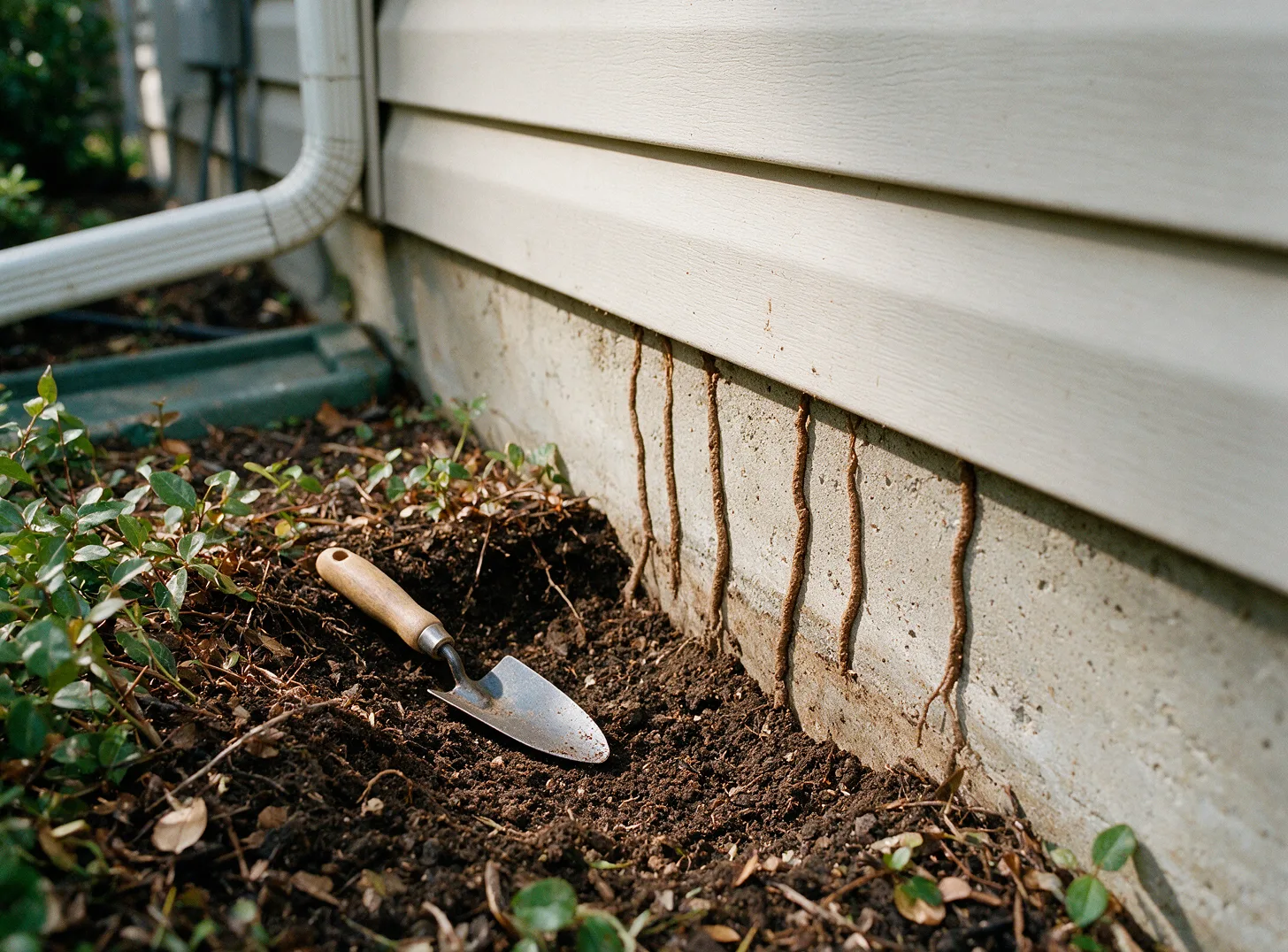
Observable Indicators of Subterranean Activity
- Mud tubes running vertically along concrete or siding
- Hollow sounding wood when tapped near the base
- Discarded wing piles near windows or doors in spring
- Soil pushed into small gaps at the foundation joint
- Blistered paint or buckling drywall on lower walls
Soil and Foundation Examination Steps
Technicians begin by clearing vegetation and debris from the foundation perimeter to expose the soil line. They probe every two feet for voids and note any existing termite tubes that remain intact after scraping. Moisture meters record readings at the base of piers and along the inside of crawlspace walls.
Where soil contacts untreated wood or where backfill contains scraps, additional borings are made to check for galleries. Measurements of footer depth and distance from downspouts help locate conditions that allow workers to bridge treated zones.
Liquid Barrier Installation Process
A trench is dug along the exterior footing to the required depth. Non-repellent termiticide is applied under low pressure so the solution soaks the soil without disturbing the structure. Rodding extends the chemical beneath slabs or porches where trenching is not possible.
Inside crawlspaces, technicians drill through the slab or apply product along the inside face of the stem wall. Each injection point is recorded so future monitoring can confirm the barrier remains continuous.
Post-Treatment Monitoring Equipment
After the barrier is in place, bait stations or monitoring stations are installed at intervals around the perimeter. These stations allow us to track worker activity without repeated excavation. Station logs note the date, species if recovered, and any station that requires refilling.
Homeowners receive instructions on clearing leaf litter and keeping mulch several inches from siding so new tubes become visible during quarterly checks. Any new construction or soil movement is reported so the barrier can be extended.
Homeowner Preparation Before Arrival
Remove firewood stacks, lumber, and cardboard from direct soil contact. Trim shrubs so the foundation remains visible for at least eighteen inches above grade. Mark the location of irrigation lines and septic components to prevent accidental damage during trenching.
Provide access to crawlspaces and attics by clearing stored items from entry points. Note any rooms that show buckling floors or musty odors so those areas receive extra attention during the initial walk-through.
Subterranean Termite Treatment questions
How long does a soil barrier remain effective?
A properly applied non-repellent termiticide creates a treated zone that continues to affect foraging workers for several years when soil is not disturbed. Annual inspections confirm whether the barrier needs spot reinforcement after landscaping changes or new additions.
Can treatment be done from inside only?
Interior drill-and-inject work is used when exterior access is blocked by patios or decks. The same product reaches the soil beneath the slab, but exterior trenching remains the primary method for establishing a complete perimeter cut-off.
What happens to the mud tubes after treatment?
Existing tubes are removed during the initial visit. New tubes that appear within weeks indicate that some workers survived the initial contact and are attempting to bridge the treated soil, prompting additional rod applications at those locations.
Will the chemical affect plants near the foundation?
Product is directed into the soil trench and rodded points rather than sprayed on foliage. Established shrubs with roots outside the treated band are unaffected, while new plantings should be set back from the foundation line.
Schedule Subterranean Termite Treatment
Contact Legion Termite Control to inspect soil conditions and install a targeted barrier around the structure.